The Vagus Nerve: Rest and Restore
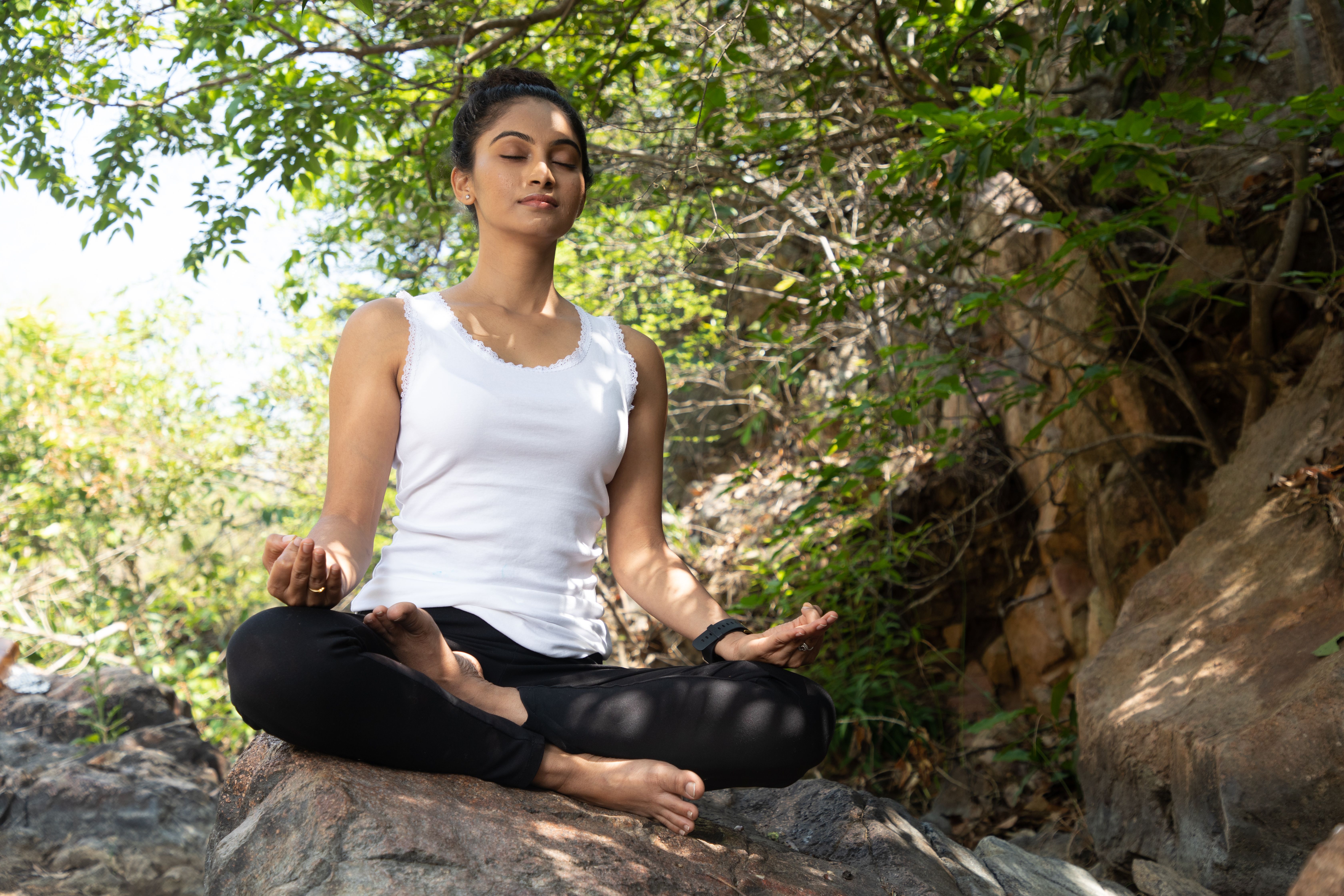
Have you ever released a long sigh after a difficult moment, softened when you heard a reassuring voice, or felt your whole body settle while resting in nature? These small shifts reflect the remarkable capacity of the nervous system to move from activation towards rest and restoration.
The vagus nerve plays an important part in this process.
What is the vagus nerve?
The word vagus means “wandering”—a fitting name for the longest cranial nerve in the body. We have a vagus nerve on each side. Together they travel from the brainstem through the neck and chest, connecting with the heart, lungs and digestive system.
The vagus nerve is a major pathway of the parasympathetic nervous system, sometimes described as our “rest and digest” system. It carries messages between the brain and body and helps influence functions that happen largely outside our conscious control, including heart rate, breathing and digestion. It is also connected with the throat and voice.
Although we often hear about “resetting” or “toning” the vagus nerve, it is not an on-and-off switch. A more accurate—and kinder—way to think about it is that certain practices may support vagal activity and give the nervous system an opportunity to move towards greater regulation.
The aim is not to remain calm all the time. A healthy nervous system needs access to energy, alertness and protective responses as well as rest. What supports wellbeing is greater flexibility: the capacity to respond when action is called for and to settle again when the moment has passed.
Gentle ways to support regulation
We do not have to force the body into calm. We can offer simple, repeated invitations that say: In this moment, you may soften.
These may include:
- Slow, comfortable breathing, with the exhalation a little longer than the inhalation
- Humming, singing or gentle vocal toning
- Mindful movement and somatic yoga
- Resting in a position where the body feels well supported
- Warm, nurturing touch
- Safe connection with another person
- Time in nature, stillness or quiet reflection
Research suggests that slow, comfortable breathing can increase measures of heart-rate variability associated with parasympathetic activity. Yet every body is different. For some people—particularly those who have experienced trauma—closing the eyes, focusing on the breath or receiving touch may not initially feel settling. Choice matters. Eyes may remain open, the breath can stay natural, and every practice can be adapted or left aside.
A one-minute vagus-supporting pause
Try this seated or lying down:
- Feel the support beneath your body and allow your eyes to remain open or soften your gaze.
- Place one hand over the heart or upper abdomen, if that feels comfortable.
- Breathe in gently for a count of four and out for a count of six. Let the breath remain easy rather than deep or forced.
- After three to five rounds, allow a soft hum on the exhalation.
- Return to your natural breathing and notice: What, if anything, has changed?
If you feel light-headed or uncomfortable, return to your normal breath. There is nothing to achieve. The practice is simply an opportunity to listen.
Nurturing touch and the four areas
In my Sacred Pause gathering, we will also explore four areas discussed by Dr Perry Nicholson:
- The base of the skull
- Behind the angle of the jaw, below the ear
- Above the collarbones
- The lower end of the breastbone and upper abdomen
We are not pressing on the vagus nerve itself. We are bringing gentle awareness and soothing contact to the surrounding tissues along its broad pathway. Touch should remain light and comfortable, with no deep pressure over the front or sides of the neck. Each person may choose self-touch, receive appropriate partnered touch, rest or simply observe.
One breath can become a Sacred Pause
Supporting the nervous system is rarely about one dramatic intervention. It is the quiet repetition of small, compassionate practices that gradually builds familiarity with settling, connection and choice.
This is why I often say:
Healing is about persistence, not perfection.
A Sacred Pause may be one conscious breath, a few minutes of movement, a gentle hum, a hand resting over the heart—or an entire morning devoted to listening inwardly.
The length of the pause does not make it sacred. The quality of presence does.
My book, Release Trauma with Somatic Yoga, offers further practical exercises for reducing chronic stress, supporting nervous-system regulation and developing a safer, kinder relationship with the body.
This article is for education and general wellbeing and is not a substitute for individual medical advice. Speak with a qualified health professional if you have unexplained fainting, swallowing difficulties, a heart condition or other concerning symptoms.