Trauma is personal. It does not disappear if it is not validated. When it is ignored or invalidated, the silent screams continue internally, heard only by the one held captive. –Danielle Bernock

Welcome to the first chapter of releasing trauma with somatic yoga. Before we get into the asanas, deep breaths, and mind-body magic, let’s take a moment to understand the very thing we’re trying to release: trauma. Think of it as your body’s version of an email inbox. If it’s overflowing with unopened messages, things start to get... well, a little messy. Much like that overflowing inbox, trauma can pile up until we consciously address it.

This chapter is here to help you understand how trauma works, why it can feel like an emotional and physical dead weight, and how it affects your body and mind.

Basic Concepts of Trauma and Its Various Forms

Trauma is like an unwelcome party guest who shows up uninvited, refuses to leave, and makes everything awkward. At its core, trauma is an emotional and psychological response to distressing or disturbing events. In simple words, it is a wound that is inflicted upon the mind. However, it doesn’t just knock on the door; it can be a slow burn that slowly keeps on burning you. Whether it’s a onetime major event, like a car accident or natural disaster, or a chronic buildup of smaller events (such as ongoing stress or emotional neglect), trauma can show up in many forms.

Moreover, trauma doesn’t discriminate. It can affect anyone, regardless of background or life circumstances. From childhood adversity (such as neglect or abuse) to adult experiences, like divorce, loss, or job burnout, trauma is as varied as a buffet table. Similar to a buffet, some people may nibble on a few things, while others feel overwhelmed by the whole spread.

Here are some common types of trauma:

  • Physical trauma: This entails injuries, like broken bones, surgeries, or accidents. These experiences can heal physically, but can leave emotional scars that linger for a longer period of time.
  • Emotional trauma: This includes events like loss, betrayal, or abuse. It's like having a wound that no one can see, but it still affects how you move through the world.
  • Developmental trauma: Often rooted in childhood, this kind of trauma involves neglect, attachment issues, or abuse that impacts a person’s sense of self-worth and emotional regulation.
  • Collective trauma: This encompasses natural disasters, pandemics, or even cultural upheaval. This trauma impacts entire communities and can have generational effects.

Each of these types of trauma can affect us in subtle or significant ways, and they often require different approaches to healing. Now that we’ve identified what trauma is, let’s dive into the neurobiology behind it.


The Neurobiology of Trauma: How the Brain and Nervous System Are Affected

Trauma leaves more traces than emotional scars; it leaves a trail on your nervous system like a toddler with a crayon in hand. When we experience trauma, it activates a series of responses in our brain and nervous system that are less about rational thought and more about survival. This is where the “fight or flight” response comes into play. The brain essentially flips a switch that tells your body, “Run for your life!”—even if there’s no actual danger around (Leonard, 2020).

Trauma mainly hijacks the brain's ability to process information rationally, creating a heightened state of alertness and fear. The body, meanwhile, is in a constant state of tension, just waiting for the next attack. But unlike the brain’s fight-or-flight mode, your body may stay stuck in “survival mode” long after the event is over. This is where somatic practices come into play to help “reset” the system.

The Body-Mind Connection

Now, let’s talk about how this whole mess affects your body. You’ve probably heard the saying, “You carry stress in your shoulders,” and although that is true, it goes much deeper than just a sore neck. Your body is a sponge that absorbs every emotion, stressor, and traumatic event. You can think of it as a pressure cooker: when emotions or experiences aren’t processed or released, they get stored in the body. This is why people with trauma often experience chronic pain, stiffness, or a sensation of “numbness.” It’s not just in your head; it’s literally in your tissues.

Take the example of someone with PTSD: they might have vivid flashbacks and intrusive memories. But, more than just the emotional experience, their body might react with rapid heartbeat, sweating, or tension, even if they’re not consciously aware of the trauma being triggered. This shows just how deeply the body and mind are connected. When one is off-balance, the other follows suit. If you’ve been walking around with unresolved emotions or trauma, you will also notice tension in areas like your hips, neck, or chest. These aren’t just random aches; they’re your body’s way of saying, “Hey, I’m holding on to something.”

This is where somatic yoga shines. By moving the body, breathing deeply, and becoming aware of areas where trauma may be stored, you can help release the stuck emotions. Here, your body is like a pressure valve; with the right tools, you can help it release that built-up tension, which in turn allows the mind to relax and heal.

The Neurobiology of Trauma

Now that we’ve introduced the brain’s trauma response, let’s zoom in on some of the key players: the brain regions that get involved when trauma happens. They may not be wearing capes, but they certainly act like superheroes in the body’s fight-or-flight system. These areas are the Amygdala, the Hippocampus, and the Prefrontal Cortex. So, grab your popcorn because we're diving into brain science with a fun twist (Giotakos, 2020).

The Amygdala: The Fear Alarm System

If your brain were a movie set, the amygdala would be the director of a thriller. It’s the part of your brain that screams, "Danger!" at the slightest provocation. It would not be wrong to say that it is the “alarm system” of your brain that is always on the lookout for anything that might harm you. It’s like a bouncer at a nightclub, screening everyone who walks through the door, except instead of letting in guests, it’s screening for potential threats.

When trauma occurs, the amygdala gets super-activated. It takes in information from your senses: sound, sight, smell. touch—and, in the blink of an eye, decides if it’s a threat. If you’re in danger, it sounds the alarm and gets the rest of the brain ready for action. “Fight! Flight! Freeze!” the amygdala orders, and your body prepares to respond: heart rate increases, adrenaline kicks in, and your body prepares to either run, punch, or play dead.

Here’s a simple example: Let us just say you’ve been in a car accident. The next time you hear a car screech to a halt, your amygdala might light up, triggering that familiar panic response even though there’s no actual danger in that moment. It’s the brain's way of preparing for the worst, even if the worst isn't happening. Thanks, the amygdala.

But here’s the catch: when trauma is unresolved, the amygdala gets stuck in “high alert” mode, which means even benign things (like a loud sound or a stressful email) can make you feel like you’re in a constant state of emergency. This heightened sense of danger is what makes trauma recovery tricky.

The Hippocampus: The Memory Keeper (Sort Of)

Imagine your hippocampus as the brain’s filing cabinet, sorting through your memories and organizing them like a super-efficient librarian. Yet, here’s the plot twist: when trauma hits, the hippocampus has a tough time keeping things straight.

Normally, the hippocampus takes events and stores them with context, like a healthy file system. “This happened yesterday, it was stressful, but I survived.” However, during trauma, this function gets a little blurry. The hippocampus can’t tell the difference between past and present experiences, meaning memories of traumatic events can feel as real and immediate as if they’re happening right now.

If you’ve ever had a flashback from a traumatic experience, you’ve felt the hippocampus at work (or rather, not working properly). Your mind replays the event in vivid detail, making it feel like you’re reliving the trauma. That’s because the hippocampus is struggling to contextualize it as a past event. It’s like a bad movie director who doesn’t know when to yell, “Cut!”

The hippocampus’s confusion is why PTSD often leads to persistent memories and intrusive thoughts. It’s not just your mind playing tricks; it’s the brain’s memory system getting tangled up in its own files. Somatic practices can help re-anchor the body and mind to the present, signaling to the hippocampus that the past is over and that safety is available now.

The Prefrontal Cortex: The Decision-Maker (If It Can Get a Word In)

Now, let’s meet the Prefrontal Cortex. This area is like the CEO of the brain, who is responsible for decision-making, logic, and higher-level thinking. It’s the part of your brain that says things, like, “Hey, let’s go for a walk to calm down” or “I’ll respond thoughtfully to that email instead of freaking out.”

However, when trauma strikes, the prefrontal cortex goes on vacation. It’s like trying to use a phone with no signal. During a traumatic event, the prefrontal cortex gets sidelined by the emotional storm happening in the brain. The amygdala hijacks the situation, and the prefrontal cortex becomes pretty much useless in terms of logical thinking. That’s why people in high-stress situations often act impulsively or struggle to think clearly.

Let’s say you're faced with a stressful situation, like getting into an argument at work. Normally, your prefrontal cortex would help you stay calm and think of a thoughtful response. But if you’ve experienced trauma in the past, that area of the brain may shut down, leaving you reactive and emotionally driven, rather than measured and calm. It’s like trying to drive a car with no steering wheel.

For example, during an argument, your boss criticizes your work, triggering a defensive response. Instead of pausing to gather your thoughts or respond professionally, you might snap back with anger or frustration, even if it’s not warranted. This reaction does not stem from a place of logic or rational thinking; it is the result of your brain’s fight-or-flight response, which is taking over due to past trauma. As a result, the argument escalates, leaving you feeling regretful later, wishing you’d been able to stay composed. It is like trying to drive a car with no steering wheel.

The Interconnected Roles: A Brain Symphony

Although each of these brain regions has its own job, they don’t work in isolation. They’re more like a group of musicians playing in a band, each contributing something unique, but needing to collaborate to make the music flow smoothly.

When trauma happens, the amygdala, hippocampus, and prefrontal cortex all react together. The amygdala sets off the alarm, the hippocampus tries to make sense of the event (but often can’t), and the prefrontal cortex struggles to keep up. This disruption creates a feedback loop that can leave the body stuck in an anxious or fearful state.

Imagine you’re at a concert, and the drummer starts playing wildly, the guitarist can’t keep up, and the lead singer keeps losing their lyrics. It’s chaotic! But when all parts of the brain are working in harmony, there’s peace, like a well-rehearsed orchestra. The body feels calm, the mind is clear, and you’re able to respond to stress in a balanced way.

Why Does This Matter?

Now that we know how these brain parts function in response to trauma, it becomes clear that trauma is a mental experience. It’s also a full-body event. Understanding this neurobiology helps you grasp why trauma feels so overwhelming at times. But here’s the good news: somatic practices (like yoga, breathwork, and mindfulness) can help “retrain” the brain. By soothing the amygdala, recontextualizing memories for the hippocampus, and re-engaging the prefrontal cortex, you can start to build a healthier relationship with stress, anxiety, and trauma.

In short, your brain and body are like a team of superheroes, each playing a role. It’s all about getting them to work together so you can feel balanced, grounded, and ready to take on the world, without a trauma-induced panic attack, of course.

How Trauma Manifests in Physical and Mental Experiences?

So, you’ve learned about the brain's VIPs: the amygdala, hippocampus, and prefrontal cortex, and you’re probably thinking, Okay, but how does all this actually show up in my day-to-day life? Well, trauma doesn’t just hang out in your mind like a sad thought; it gets into your body and shows up as both physical and mental symptoms. It’s like trauma has its own personal circus, and all the acrobats and clowns are here to show you what a mess it can make of your body and mind. Let's dive into how this all plays out.

Physical Manifestations: When the Body Says, "Nope!"

Trauma is sneaky, and it hides in your body in the most surprising ways. The thing is, the body doesn’t lie. You may think you’re “over” that traumatic event, but your body’s like, “Umm, excuse me, I’ve been carrying that trauma for years.” When trauma gets stuck in the body, it tends to show up as various physical symptoms.

Chronic Pain and Stiffness: The Body’s Unwanted Tension Party

Have you ever noticed that your shoulders feel like they’re holding up the entire weight of the world? Or maybe your neck feels like it’s carrying an invisible backpack full of stress? Welcome to the club. Trauma often manifests as chronic stiffness and pain, especially in the neck, shoulders, back, and hips. This is because, during a traumatic event, your body can freeze in a state of high alert: muscles tense up, and they stay that way.

Digestive Troubles: Gut Feeling Gone Wrong

You know that feeling when you’re anxious, and your stomach does backflips? That’s not just because of nerves; it’s because your gut and brain are intimately connected (enter the gut-brain axis). Trauma, particularly unresolved or long-term trauma, can wreak havoc on your digestive system. This will show up as chronic nausea, bloating, acid reflux, or irritable bowel syndrome (IBS). It’s like your gut gets stuck in a loop of “fight or flight” and forgets how to digest your lunch properly.

For example, let us assume that you’ve been through a tough breakup. The next time you get a message from your ex, you feel that pang in your stomach, right? That’s your body recalling that emotional trauma, triggering a physical response. Trauma can freeze the digestive system, making it hard to process food or emotions.

Tight Breathing and Shallow Respiration: Hold Your Breath, Hold Your Feelings

Breathing is something most of us don’t think about until it’s hard to breathe. When trauma hits, our breath often becomes shallow and quick. It’s as if your body is subconsciously bracing for another hit, holding its breath in preparation for something bad to happen. This shallow breathing can lead to chronic tension in the chest, tightness in the diaphragm, and feelings of being "disconnected" from your body.

Think about it this way: have you ever noticed that when you're stressed, you don’t breathe deeply, like your breath is stuck in your chest? That’s trauma. Moreover, what’s worse, this tension can accumulate over time, contributing to feelings of anxiety, panic attacks, or even chronic fatigue. It’s like your body is running on a treadmill that never stops, but you never actually get anywhere.

Mental Manifestations: The Headspace Drama

Now let’s take a tour of how trauma shows up in your head. Mental symptoms are just as tricky as physical ones, often sneaking up when you least expect them. Whether it’s feeling constantly on edge, mentally exhausted, or trapped in a loop of negative thinking, trauma impacts your emotional landscape like an unwanted guest who just won’t leave.

Anxiety and Hypervigilance: Always Waiting for the Other Shoe to Drop

You know the feeling, constantly scanning your surroundings, preparing for something bad to happen. Your mind races from one worst-case scenario to the next. This is your amygdala on overdrive, interpreting everything around you as a potential threat. Whether it's walking into a crowded room, being a passenger in a car when you are used to being the driver, or getting a work email, your body reacts like it's facing danger, even when there’s no immediate threat.

Depression and Numbness: The "I Feel Like a Zombie" Syndrome

Trauma can also cause a heavy cloud to hang over you, making everything feel gray and hopeless. This is where depression often comes into play. The trauma you’ve experienced doesn’t just sit in your body; it can also change the way your brain processes emotions. The prefrontal cortex, which is responsible for logic and decision-making, starts to lose its power, and the amygdala takes over with its doom-and-gloom outlook.

It may feel like you’ve lost your zest for life, like you're just going through the motions. Everything feels like a chore, and joy seems like a foreign concept. If you’ve ever been in a constant “fog,” that’s trauma weighing on you. It’s like your brain hits the mute button on all the good stuff.

Flashbacks and Intrusive Thoughts: The Mental Rewind Button

Have you ever had your brain rewind a traumatic event and force you to relive it over and over again? That's what we call a flashback. The hippocampus and amygdala team up here, throwing you back into the emotional and physical sensations of the trauma, often with vivid detail. These thoughts can invade your mind at the most inconvenient times, like during a meeting or when you're trying to relax.

For example, let’s say you’ve experienced a traumatic breakup, and every time you hear a specific song or smell a certain perfume, you’re immediately transported back to that emotionally charged moment. These flashbacks aren’t just memories; they’re emotional relays of the trauma, like your mind’s way of saying, “Hey, remember this?” But remember, you can use somatic practices to gently guide the mind and body out of this loop and back into the present.

Recovery With Neuroplasticity

If your brain had a “Do Not Disturb” sign after trauma, it’s time to rip that thing down and give your brain a little TLC. Enter neuroplasticity, the brain's ability to rewire itself in response to experiences, habits, and yes, trauma. To understand, you can think of it as your brain’s version of a DIY home improvement project, but instead of new countertops, you’re installing new neural pathways.

Let’s break it down: neuroplasticity allows your brain to form new connections or “pathways” after trauma, which means it’s totally possible to heal, even when you think you’ve been stuck in a mental rut forever. This rewiring process is basically like changing the settings on your brain’s GPS, redirecting it away from the old trauma-driven routes (the "Oops, here’s the panic attack exit") to calmer, more positive paths.

Imagine you’re someone who experiences anxiety every time you step into a crowded space. Your brain has created a neural shortcut, mapping panic into those situations. But with neuroplasticity, you can create new, calmer pathways. By practicing grounding techniques, mindfulness, and somatic exercises, you essentially reprogram your brain to associate those environments with calm instead of chaos. Over time, your brain starts to use the new route as the default.

Neuroplasticity will help you with past trauma and create new and healthier responses to life’s triggers. Do you know what the best part is? It works for trauma, depression, anxiety, chronic pain—you name it! The more you practice self-care, trauma release, and mindfulness, the more you’re teaching your brain to choose peace over panic.

So, grab your brain’s toolbox and get to work. Through small, consistent changes, you can guide your brain toward recovery. It’s not about being perfect, just persistent.

Case Study: Recovering From Burnout and Workplace Trauma

Subject: Priya, a 29-Year-Old Software Engineer

Priya had been stuck in a toxic work environment for five years. Her burnout hit hard, with symptoms like depression, migraines, and a gnawing sense of worthlessness. It was as if her mind and body were on constant alert, always waiting for the next crisis to hit.

Intervention

Enter somatic yoga, an eight-week program designed specifically to untangle stress and trauma from both mind and body. We started with somatic flow practices, which allowed Priya to move freely, reconnecting with her body without judgment. It was a safe space to simply feel and move, no pressure, no expectations.

We also targeted the psoas, that deep muscle linked to stress and trauma, with dynamic stretches aimed at releasing tension built up from long hours of sitting. These sessions helped Priya release physical tension and reconnect with her body in ways she hadn’t in years.

But we didn’t stop there. After each session, Priya began journaling, reflecting on what she felt and experienced. She rewrote negative thoughts into positive ones, essentially reprogramming her inner dialogue to support healing instead of keeping her stuck in the past.

Outcome

Two months later, Priya felt like a different person. The migraines that had plagued her for so long had significantly decreased, and her energy levels had skyrocketed. But the real transformation? Priya regained her confidence. She found herself able to set clear boundaries in her new job and make decisions without second-guessing herself.

Fast forward six months, and somatic yoga had become a staple of Priya’s self-care routine. It wasn’t just a tool for recovery; it had become the foundation of her resilience, helping her stay grounded and positive, even when life threw stress her way.

As we move forward into the next chapter, we will explore how the Polyvagal Theory offers a valuable lens for understanding and integrating trauma within the context of yoga practice, allowing us to better regulate our nervous systems.

Yoga Nidra and Mind Development

Yoga Nidra and Mind Development

Relaxation isn’t a luxury — it’s a learned nervous-system skill. Explore how stress affects the body and emotions, and how Yoga Nidra and simple daily practices can help you come home to steadiness.

Continue reading
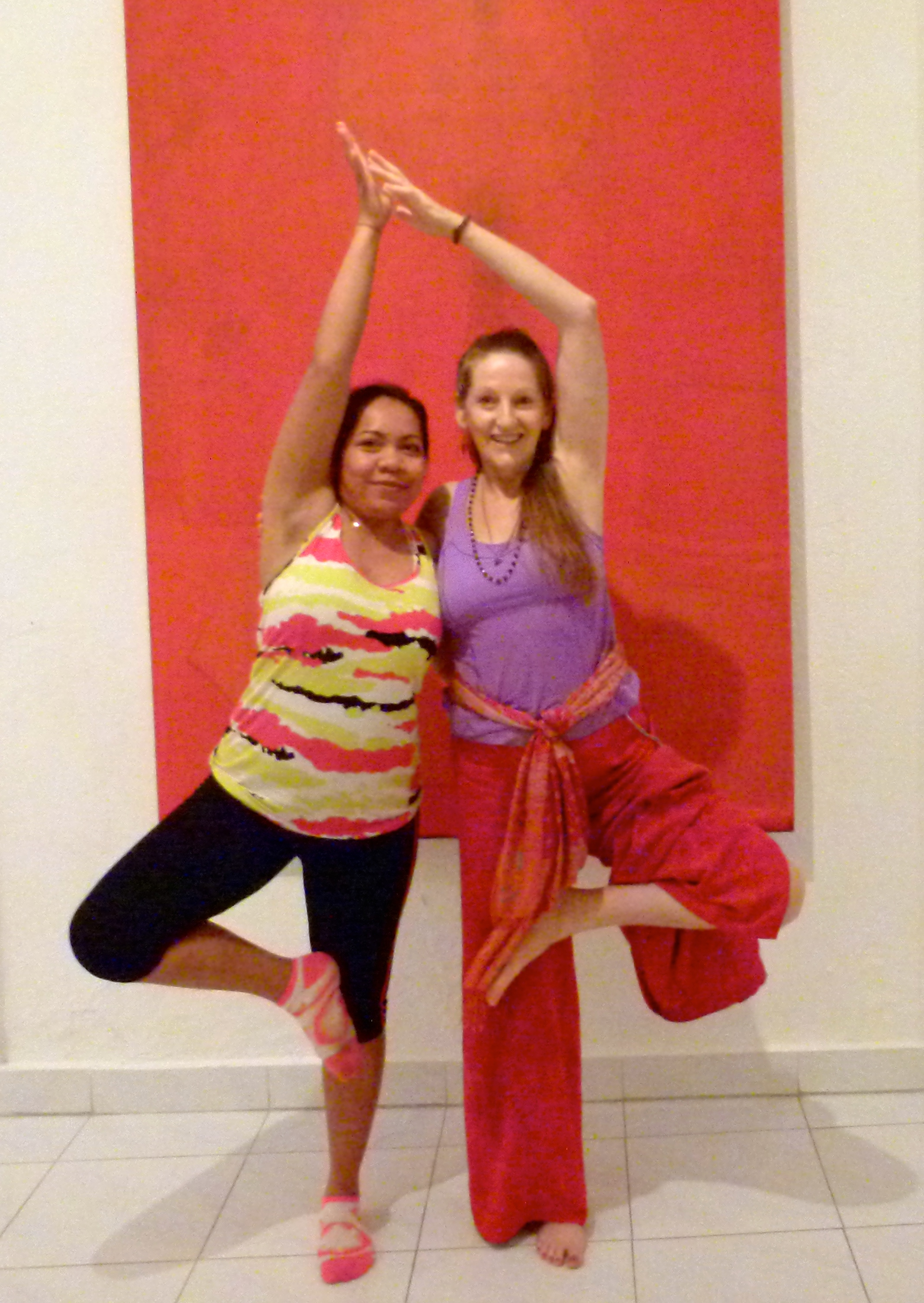
3 Yoga Poses to Improve Balance and Posture

3 Yoga Poses to Improve Balance and Posture

A gentle, nervous-system friendly sequence to support balance and posture — with trauma-informed guidance, breath cues, and three steadying poses you can practise at home.

Continue reading
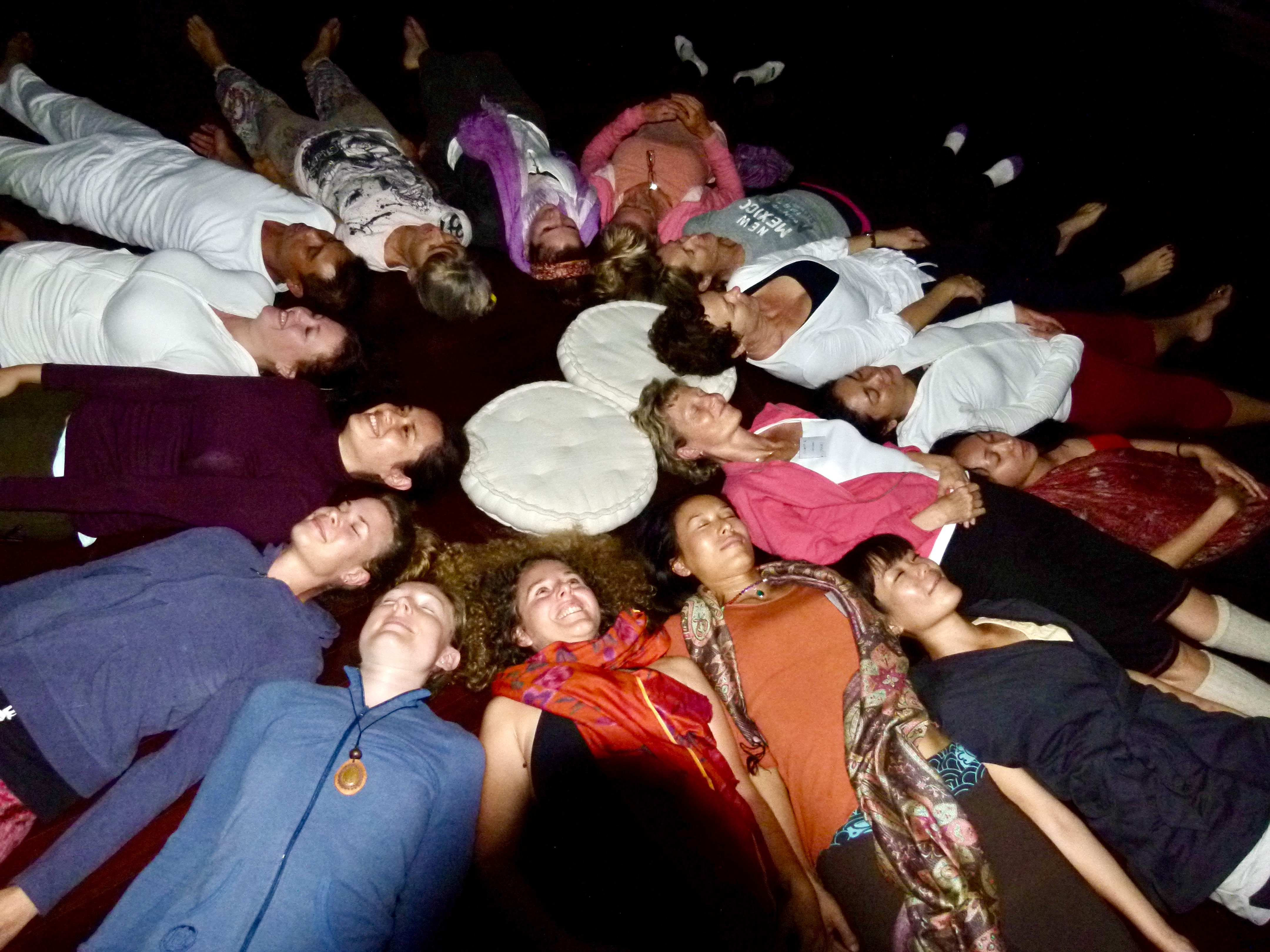
Yoga Nidra or Yoga Nod Off!

Yoga Nidra or Yoga Nod Off!

Yoga Nidra is a lying-down meditation where the body sleeps, the mind rests, and consciousness remains alert. Learn how this “psychic sleep” can deeply restore your nervous system and release exhaustion.

Continue reading
Relaxation: A Homecoming for the Nervous System

Relaxation: A Homecoming for the Nervous System

Relaxation is a learned skill that supports nervous system regulation, emotional balance, and physical recovery. Practices such as Yoga Nidra, meditation, and guided relaxation help shift the body from chronic stress into rest and repair, allowing the mind to quiet and the emotions to stabilize. With regular practice, the nervous system can relearn safety and build a more resilient baseline for everyday life.

Continue reading